
Rice Museum, Sekinchan – Learning How Malaysia’s Staple Food is Produced
English | Bahasa Malaysia
Visiting the Sekinchan Rice Museum (Paddy Gallery)
Located in Sabak Bernam, Selangor, on the west coast of Malaysia, Sekinchan is a small farming town best known for its wide paddy fields, seafood, and slow countryside charm.
Despite its size, Sekinchan is one of the major rice-producing areas in Malaysia, and is often said to have one of the highest rice yields per acre in the country. In other words, this quiet little town is very serious about rice.
A visit to Sekinchan will give you views of green or golden paddy fields stretching as far as your eyes can see, interrupted only by irrigation canals, narrow footpaths, and the occasional vehicle passing through.
Considering how much rice I had been consuming all my life, it was quite embarrassing to realize that I knew very little about how it was produced. So, during a trip to Sekinchan with my friends, we made a quick stop at the Sekinchan Paddy Gallery.
This post may contain affiliate links, which means I may earn a commission at no extra cost to you. As an Amazon Associate, I earn from qualifying purchases. For more details, please read my Privacy Policy.
About Sekinchan Paddy Gallery

The Sekinchan Paddy Gallery is one of the active rice-processing factories in Sekinchan that welcome tourists to visit.
Depending on where you look online, you might also see it referred to by other names, such as the Paddy Factory, Paddy Museum, Rice Museum, Rice Mill — you get the idea. And that’s because it’s all of that: a factory, museum, gallery, and shop, all under one roof!
The gallery is owned by PLS Marketing (M) Sdn Bhd, also known as Kilang Beras Rakyat Sekinchan Sdn Bhd.
The company started out as a rice transporter before expanding into rice processing, rice wholesale, grain trading, cultivation, rice seedlings, fertilizers, and other agricultural products.
The Paddy Gallery was created to give visitors a closer look at the rice production process, from paddy planting to processing, packaging, and selling.
It’s especially useful if, like me, you have eaten rice almost every day of your life but somehow never questioned how much work went into it.
Where is Sekinchan Paddy Gallery?
Sekinchan Paddy Gallery is located along Jalan Tali Air 5, in the middle of the paddy field area.
It is a large building surrounded by rice fields, so it is not too hard to spot once you are nearby. If you are staying around the paddy field area, it may be within cycling distance, depending on your accommodation and your tolerance for Malaysian heat.
We stayed at Padi Box, which was close enough to cycle from, but since we were short on time, we drove instead.
For more details on getting to Sekinchan from Kuala Lumpur by car or public transport, you can read my complete Sekinchan guide.
Entrance fee & opening hours
At the time of writing, the entrance fee and opening hours for Sekinchan Paddy Gallery are listed as:
- Admission fee: RM5 per person (kids under 95cm tall enter for free)
- Opening hours: 9 a.m. – 5.30 p.m. every day (lunch break at 12.30 p.m. to 2 pm.)
What to expect at Sekinchan Paddy Gallery
After paying the entrance fee, each of us received a small packet of Sekinchan rice as a souvenir.
We hadn’t even stepped into the gallery yet and we were already getting our money’s worth. That’s the kind of transaction I can respect!

From there, we headed upstairs to the gallery area. A guide took us to a small TV room where we watched a video presentation about rice farming in Sekinchan.
The video explained how paddy planting and processing used to be done in the past, and how technology has changed the industry over the years.
It was interesting to see how much of the work that used to require long hours and many workers can now be done much faster with modern machinery.
Apparently, with newer methods and machines, a 1.2-hectare plot of land can be planted with 300 transplanting mats in about 2.5 hours. In the past, the same job could take two days and around eight workers.
I had no idea rice farming in Malaysia had become this sophisticated. In my head, I think I had been imagining something far more old-school, probably involving a lot more mud and a lot less machinery.
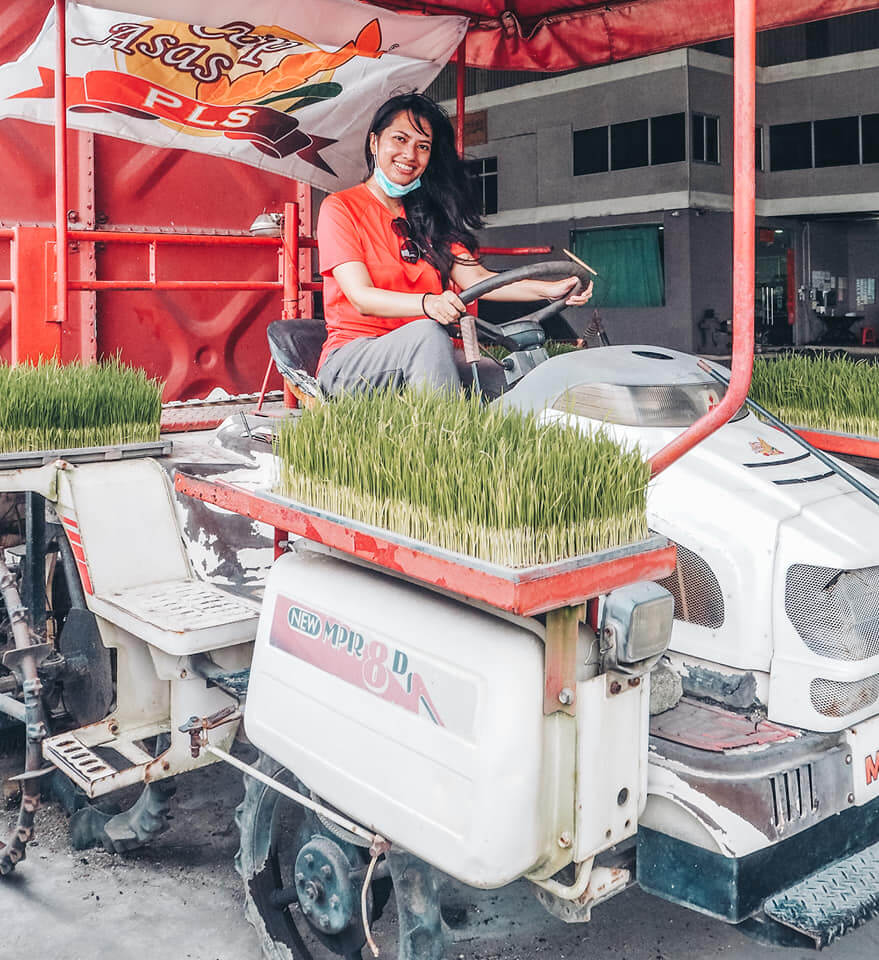
After the paddy is harvested, the grains go through several stages, including cleaning, dehulling, polishing, grading, and sorting.
The machines help separate whole grains from broken ones, remove stones and impurities, and detect discolored grains. The goal is to make sure that only good-quality rice is packed and sold for consumption.
The grains that do not make the cut may be used for other purposes, such as animal feed.

After the video presentation, the guide gave us a short talk to explain the process in more detail and answer questions. There were also displays showing the anatomy of rice and the different stages involved before paddy becomes the rice we buy from shops.
Our guide also introduced us to some of the rice products produced by the factory.
These include white rice, Pearl rice, fragrant rice, brown rice, and basmati rice. One of the most popular products is Pearl Rice, a short-grain rice that can be used for dishes like sushi, rice pudding, and porridge.
I would especially recommend looking out for the fragrant brown rice if you want something a little more wholesome but still aromatic. Brown rice sometimes has a reputation for being the boring cousin at the dinner table, but fragrant brown rice makes it much more appealing.

After the talk, we walked around the rest of the gallery.
From the corridor, there were glass windows where visitors could look down into parts of the factory and warehouse. There were also rice-processing machines on display, giving you a better idea of the equipment used in modern rice production.

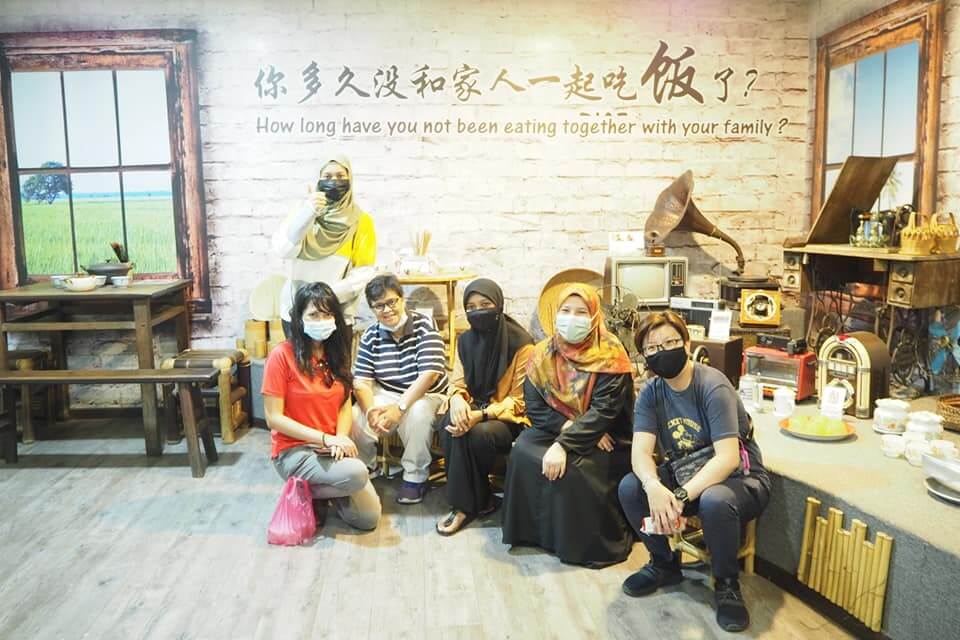
Another section of the gallery is dedicated to traditional farming tools, old household items, and memorabilia from earlier days of paddy farming.
This part was useful because it showed how much things have changed. You get to compare the older, more labor-intensive way of farming with the newer machinery and processing methods used today.

Like many tours, the visit ends at a shop.
Normally, I do not get too excited about souvenir shops, but this one was different because most of the things on sale were edible. Now that’s my kind of souvenir!
Apart from rice grains, the factory also sells other rice-based products, such as crackers, noodles, desserts, rice bran oil, and even rice soap (yes, rice soaps!).


Some items are vacuum-packed, which makes them easier to take home or pack in your luggage.
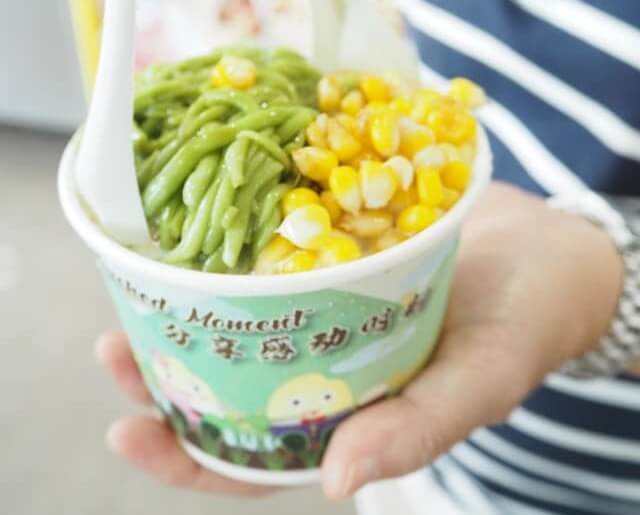
If it’s available during your visit, do try their unique brown-rice cendol. This is probably the only place in the world you can try it!
Fun facts about Sekinchan rice fields
- Sekinchan is often translated from Chinese as “a village suitable for farming.”
- The area is known for rice fields, fruit farms, and oil palm plantations.
- Rice needs a lot of water to grow, which is why you will see irrigation canals around the paddy fields.
- The paddy fields in Sekinchan are known for producing high yields compared to many other rice-growing areas in Malaysia.
- Traditional scarecrows used to be placed in paddy fields to scare birds away, but according to our guide, they are not as effective anymore because the birds have apparently gotten too smart.
Final Thoughts
Is Sekinchan Paddy Gallery worth visiting?
Yes, I think Sekinchan Paddy Gallery is worth visiting, especially if you are already in Sekinchan.
It’s not the kind of attraction that will take up your whole day, but for a small entrance fee, the tour is packed with information that I think any Asian or rice lover worth their rice salt should know.
It’s a nice reminder that rice doesn’t magically appear in a pot. There is planting, harvesting, cleaning, milling, sorting, packing, transporting, and a lot of work before it reaches our table.
So, the next time you visit Sekinchan, do not just stop for paddy field photos and seafood. Spare a little time for the Sekinchan Paddy Gallery too.
You may leave with a better appreciation for rice.
And, if nothing else, you will leave with actual rice.
Lot No 9990, Jalan Tali Air 5,
Ban 2, 45400 Sekinchan,
Selangor, Malaysia
Phone: +6 016-205 6558 (General) / +6 016-215 7028 (Tourism)



2 Comments